

Birdwatching in the Comox Valley
Welcome to the Pacific Flyway
Part of the Pacific Flyway (the major bird migration route between Patagonia and the Arctic), the Comox Valley is a prime destination for birdwatching on Vancouver Island. Alongside the seasonal opportunities to see migratory birds, including the thrill of potentially spotting lesser-known or rarely seen ones, the Comox Valley’s lush ecosystems mean there is also a vast variety of birds that call these different habitats home year-round. In fact, the Comox Valley is internationally recognized as an Important Bird Area (IBA), with Lazo Marsh, Baynes Sound, and the K’omoks Estuary of particular interest.
Plan a self-guided birdwatching itinerary in the Comox Valley or book a wildlife tour with a knowledgeable local guide. Read on to learn the best times to visit if birdwatching is your focus, the types of birds you might see, and which birdwatching locations are closest to Cumberland, Courtenay, or Comox.
When is the best time to go birdwatching in the Comox Valley?
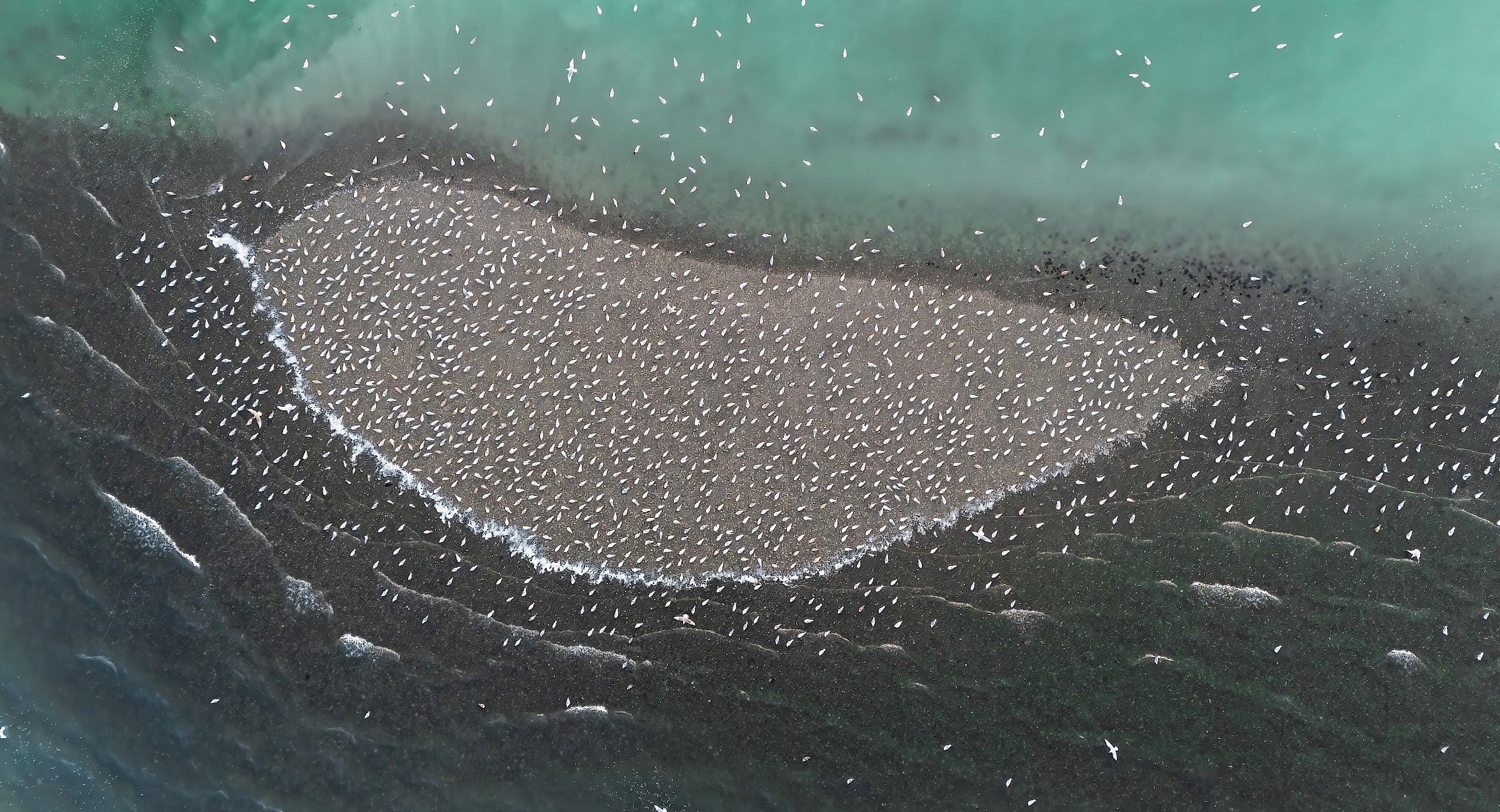
Spring is considered one of the best times to go birdwatching in the Comox Valley. The herring spawn in late February and early March sees a spike in activity for shorebirds and seabirds like surf scoters, and the many migratory birds that use the region as a feeding ground and rest stop on the way north begin to arrive. Fall is popular as birds stop on their migration south, as well as for visitors who wish to witness the spectacle of birds, particularly vast numbers of eagles, feasting on the salmon run. Comox Valley is also known for its winter numbers of Pacific Trumpeter Swans.
What resident birds might I see in the Comox Valley?
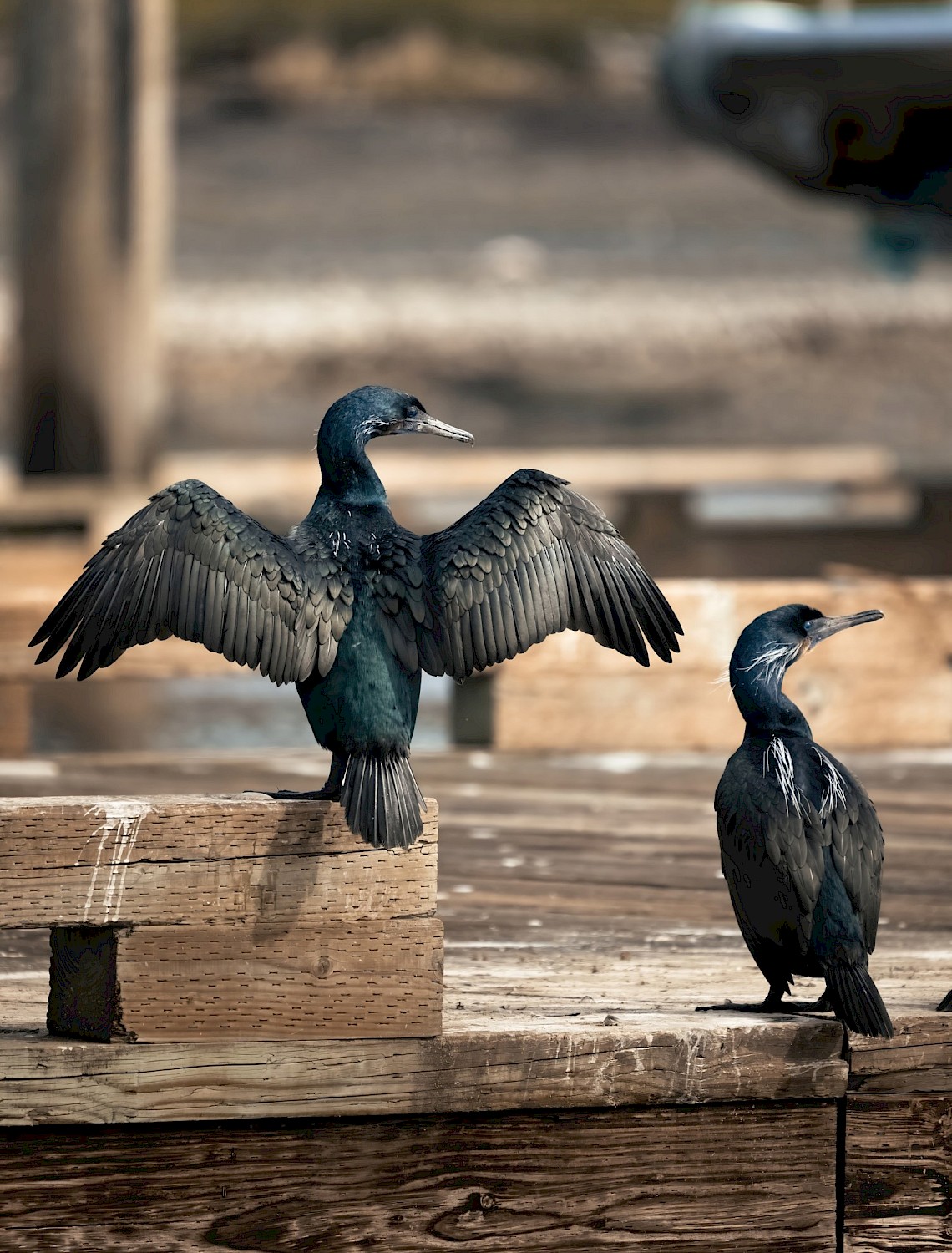
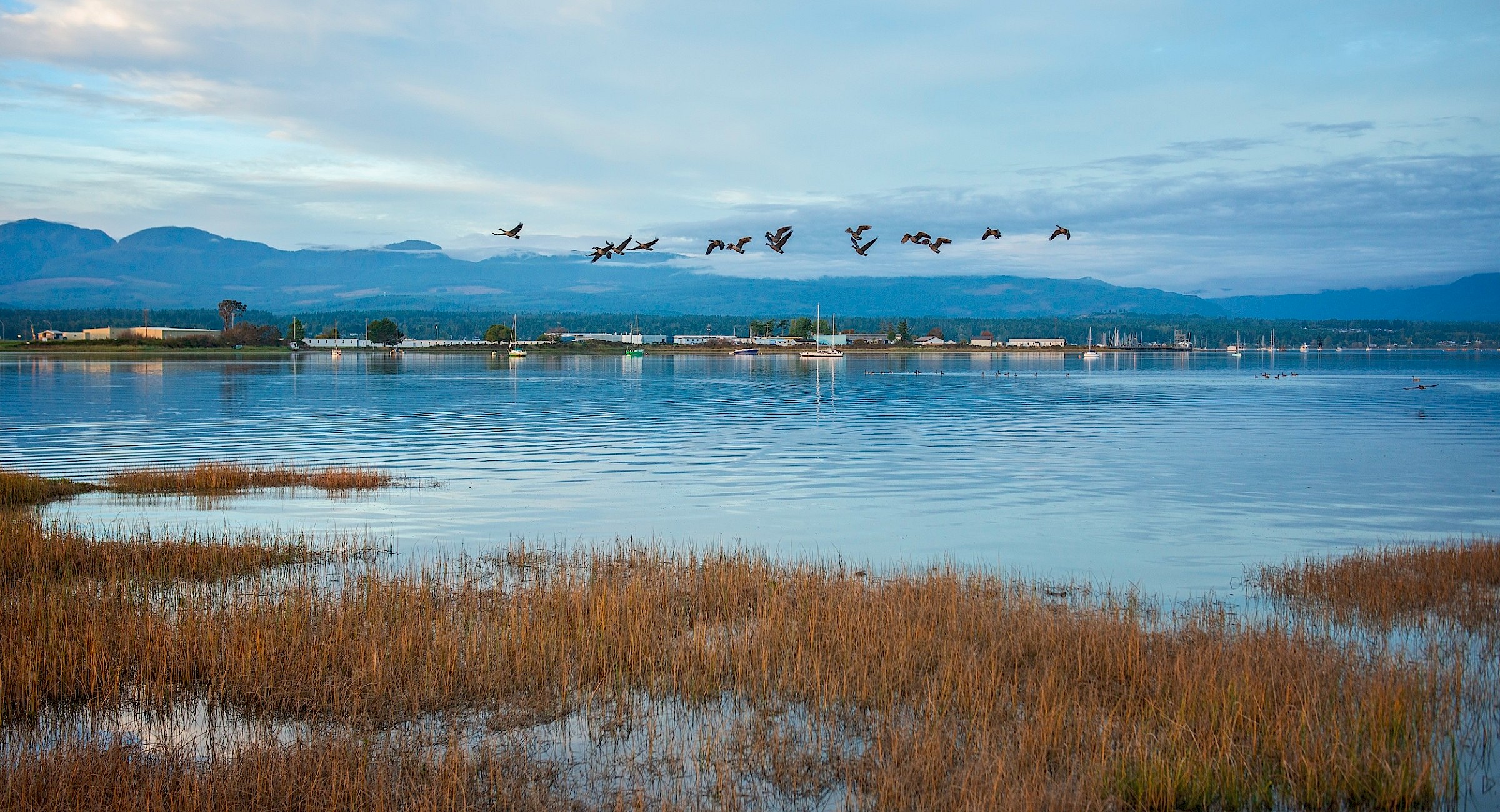
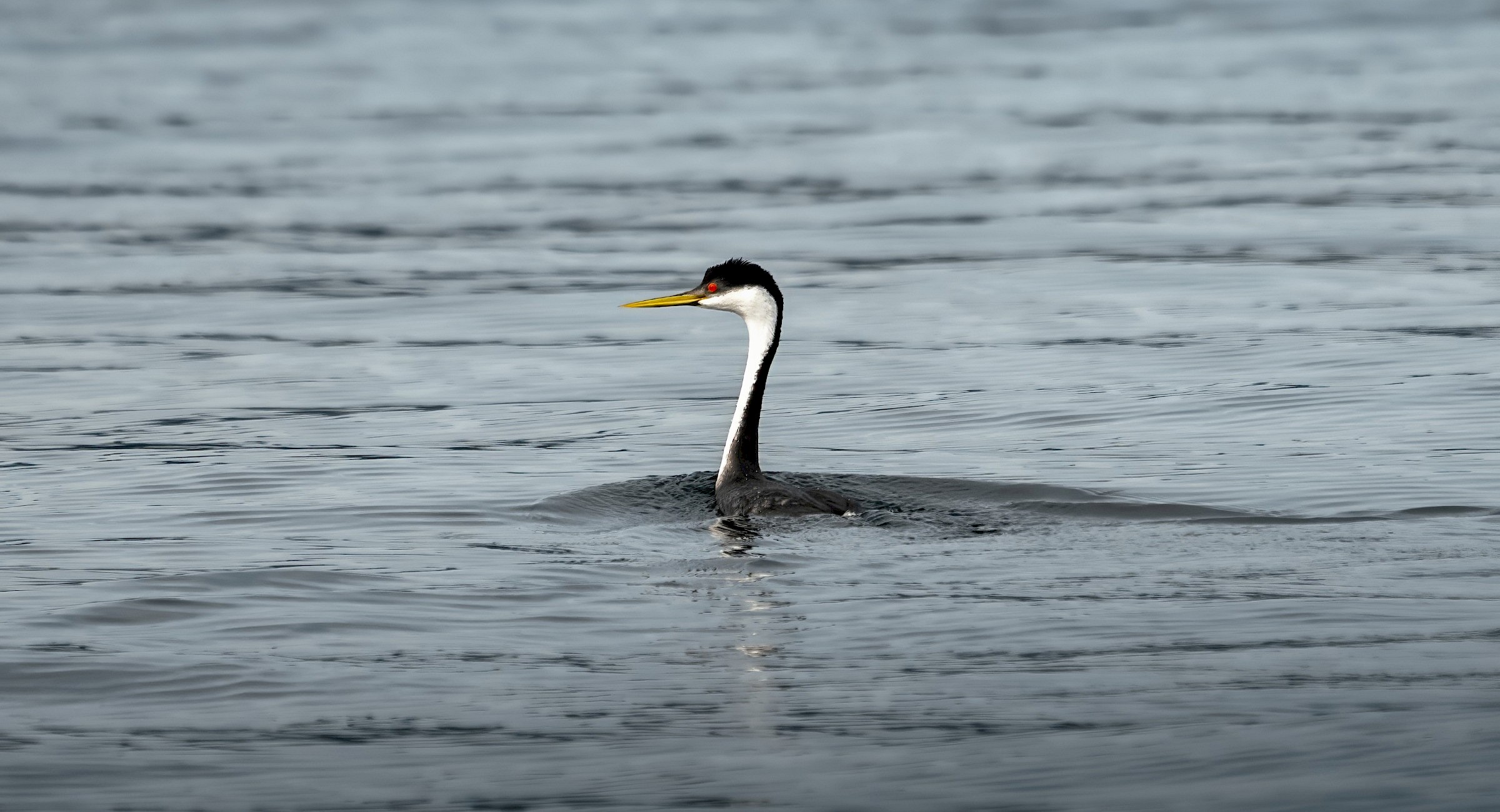
Waterfowl, waders, and seabirds you might see year-round include Oystercatchers, Gulls, Grebes, Great Blue Herons, Cormorants, and, of course, Canada Geese. The Belted Kingfisher is a popular sight in water-adjacent woodland or poised in trees along rocky shoreline bluffs where the saltwater is clear.
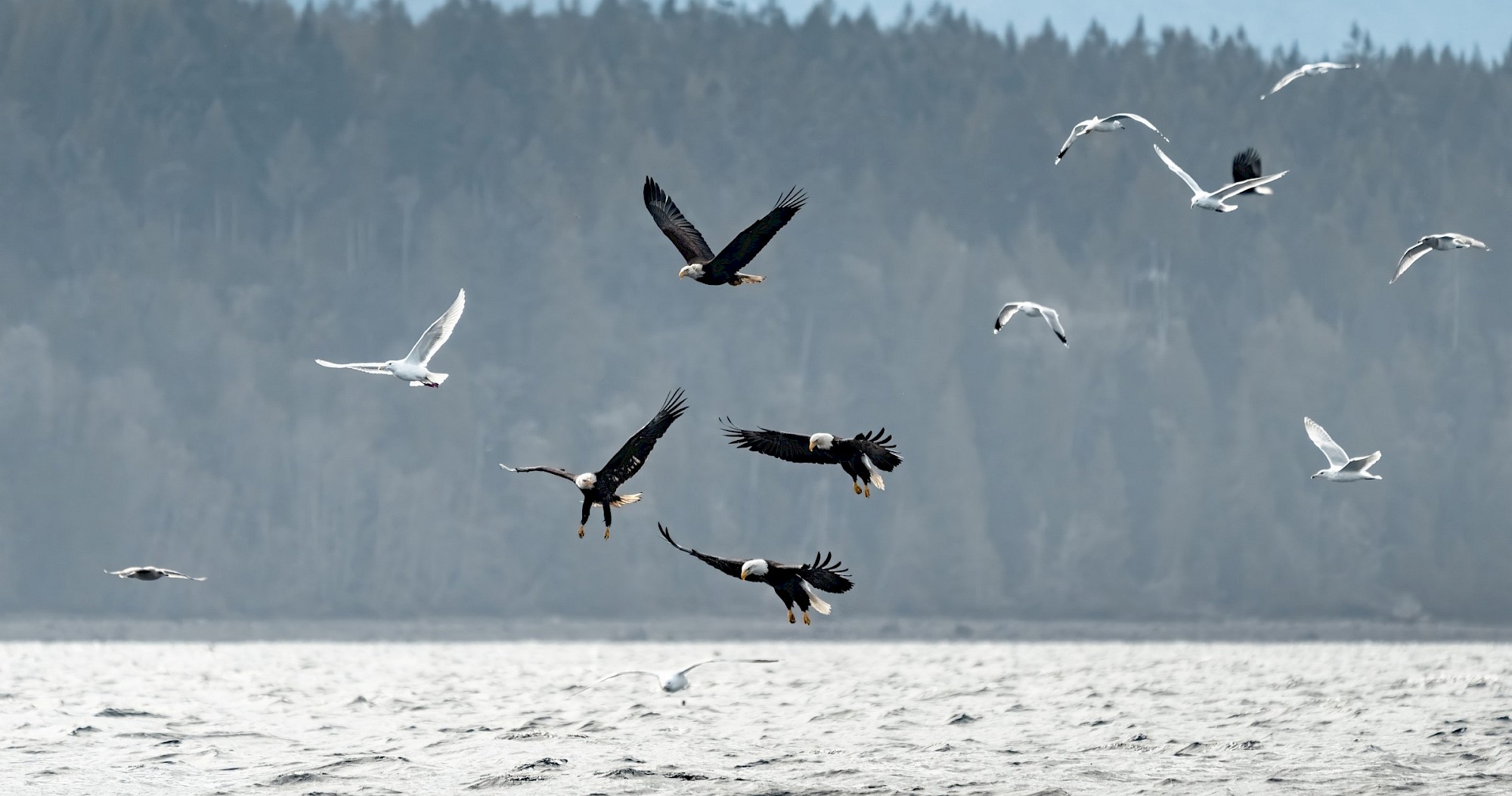
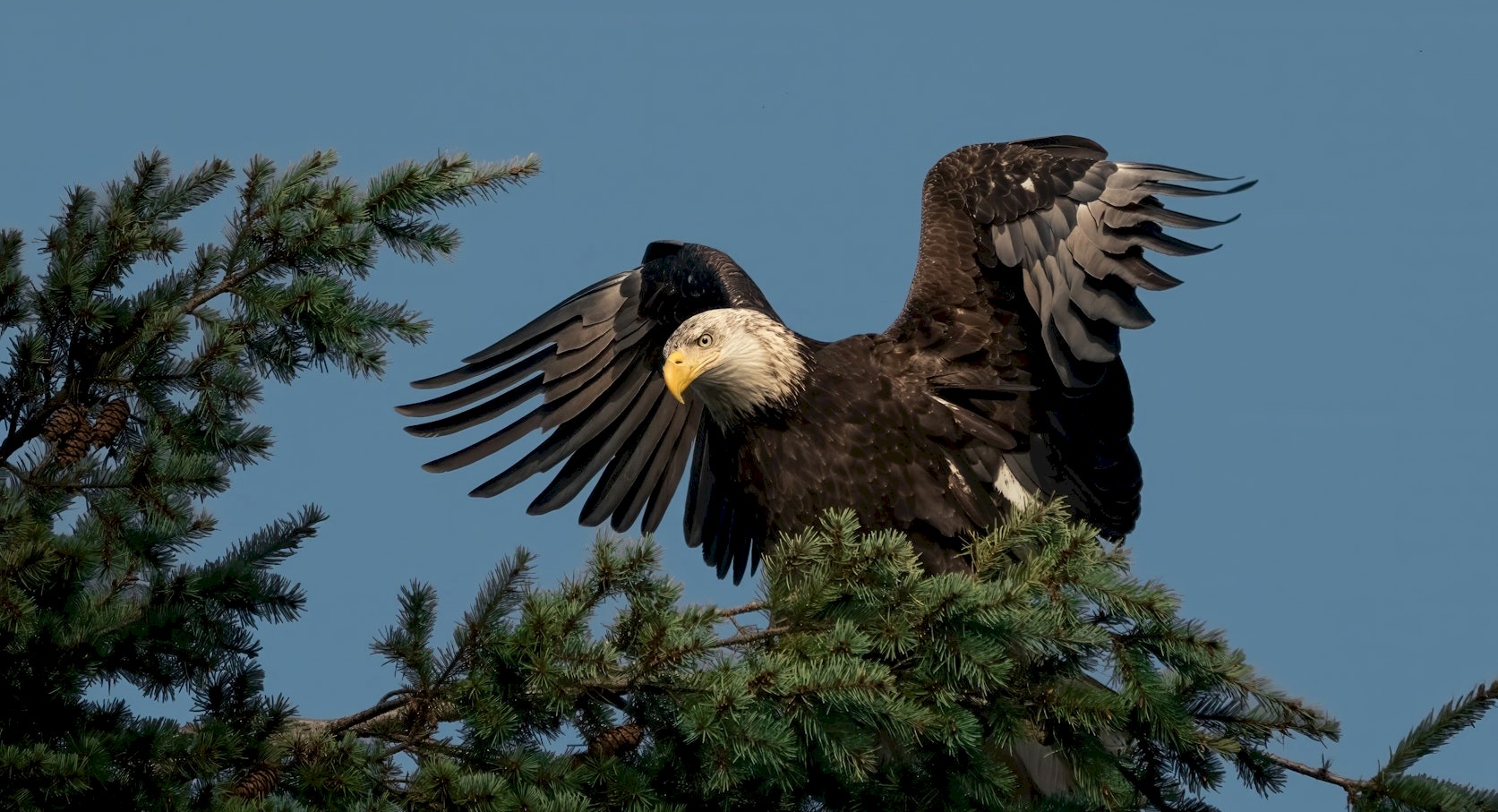
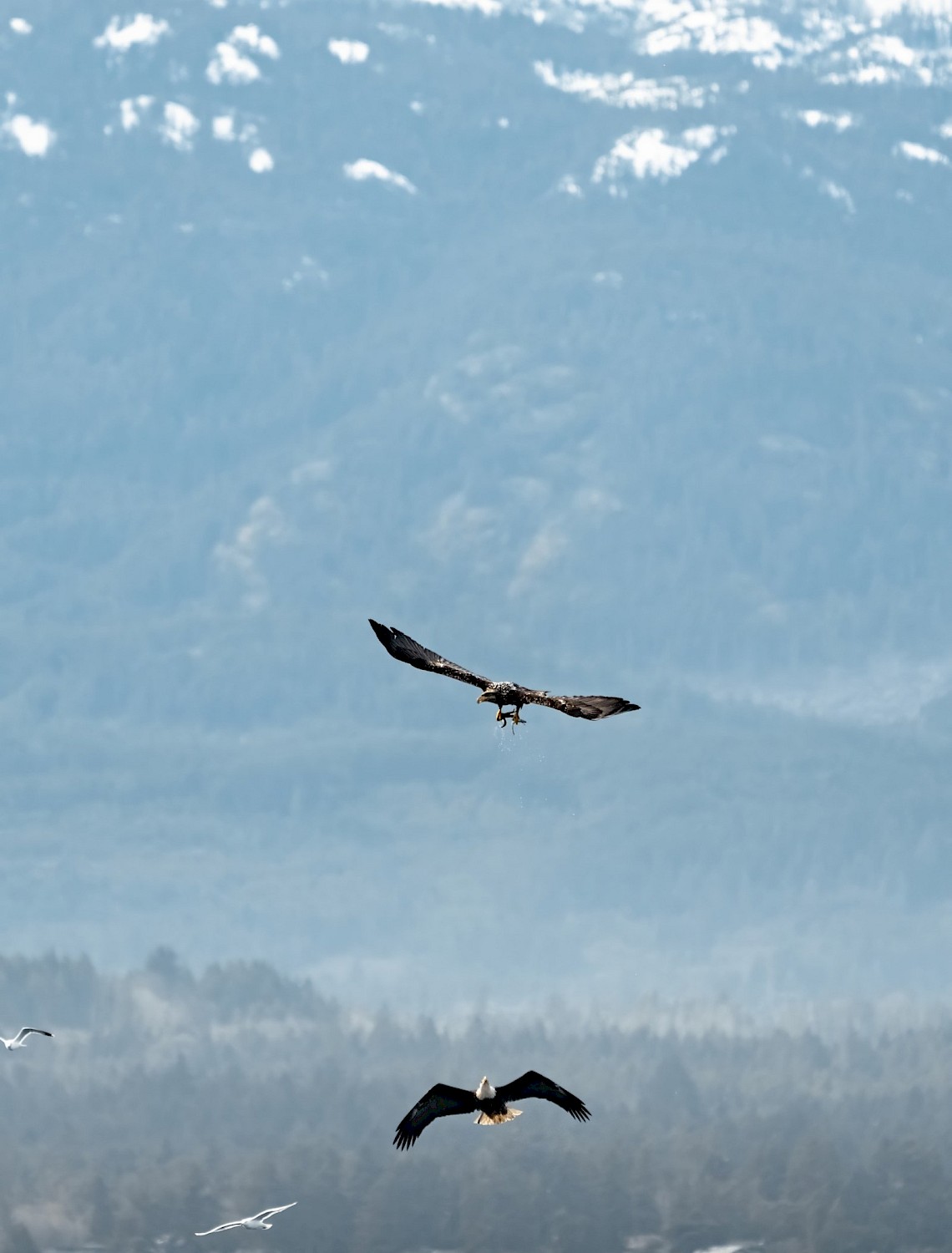
Forest birds and garden birds might include chickadees, woodpeckers, such as the Northern Flicker or the Red-breasted Sapsucker, sparrows, wrens, Cedar Waxwing, and the American Robin. Anna’s hummingbirds, with their flashes of pink, and the bright yellow of male American Goldfinches, are also very eye-catching. Large raptors, like bald eagles and turkey vultures, are a sought-after sight—often soaring high in the sky in small groups or perched in tall trees near water.
What migratory birds stop in the Comox Valley?
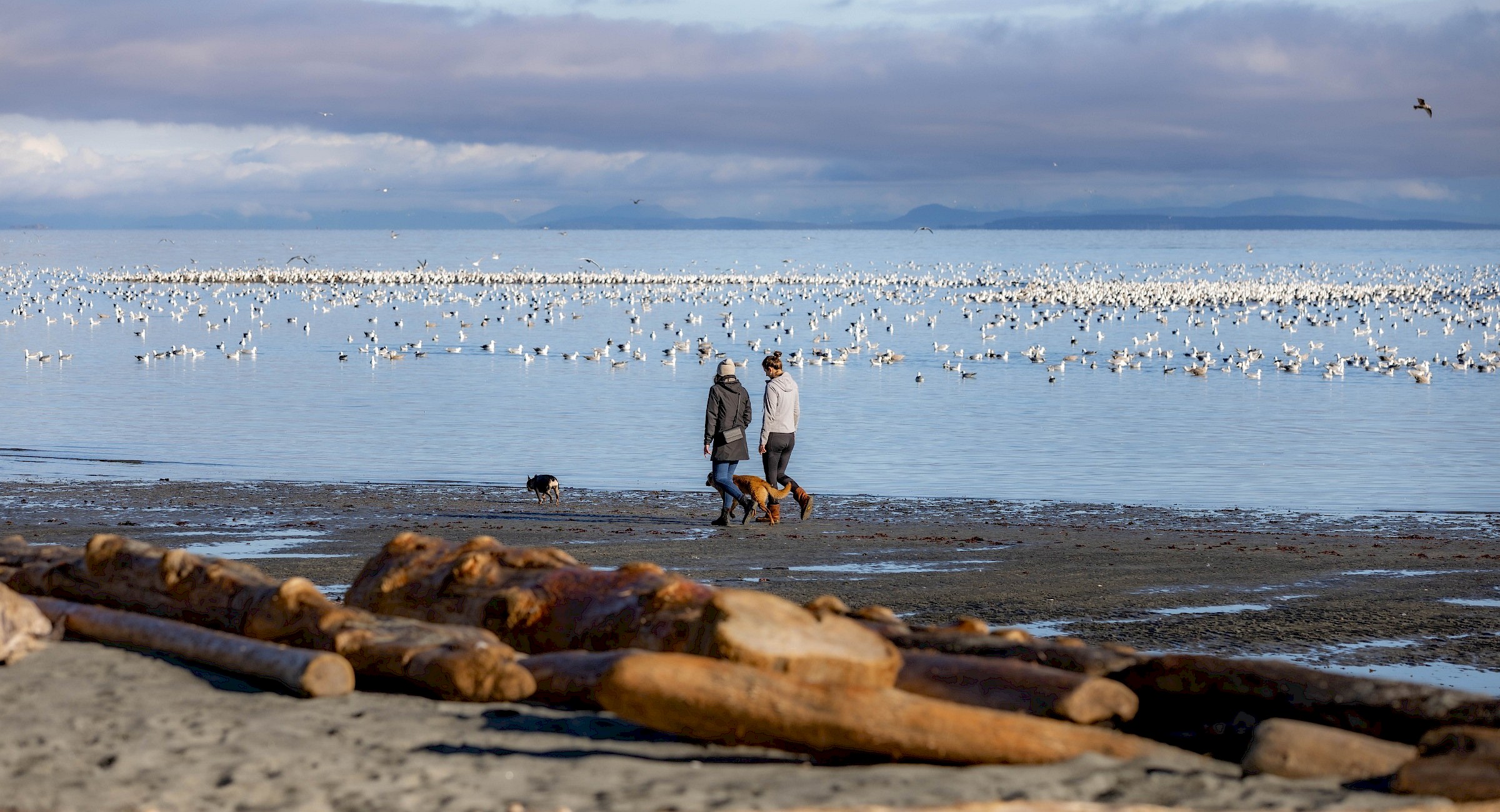
The Comox Valley is a vital stopover for migratory birds. Visitors and locals alike flock to beaches to view shorebirds, such as Western Sandpipers, Killdeer, plovers, and Brant Geese. The Common Loon, with its haunting call, comes to the area for breeding in summer.
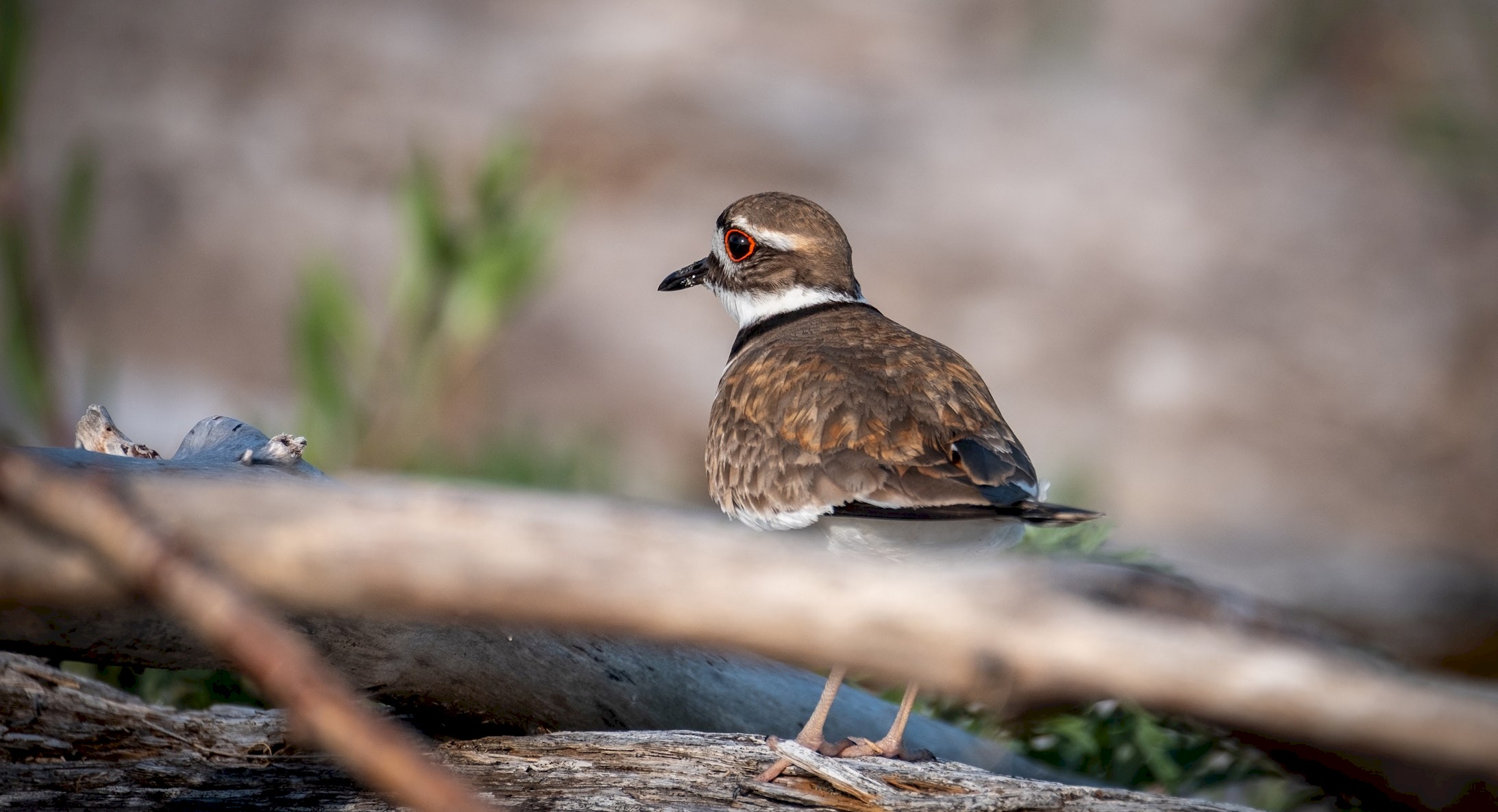
Forest and field birds to look out for include the Swainson’s Thrush and the Yellow Warbler with its bright plumage. Swifts and swallows, both highly aerial birds, draw eyes skyward to flight displays as they catch insects. The Courtenay & District Museum chimney has seen the return of Vaux’s swifts every year, and set up a 24-hour live webcam so you can watch them once they arrive. The Rufous Hummingbird, with its burnt orange plumage, is also a favourite spring and summer resident.
Where are the best places to go birdwatching in the Comox Valley?
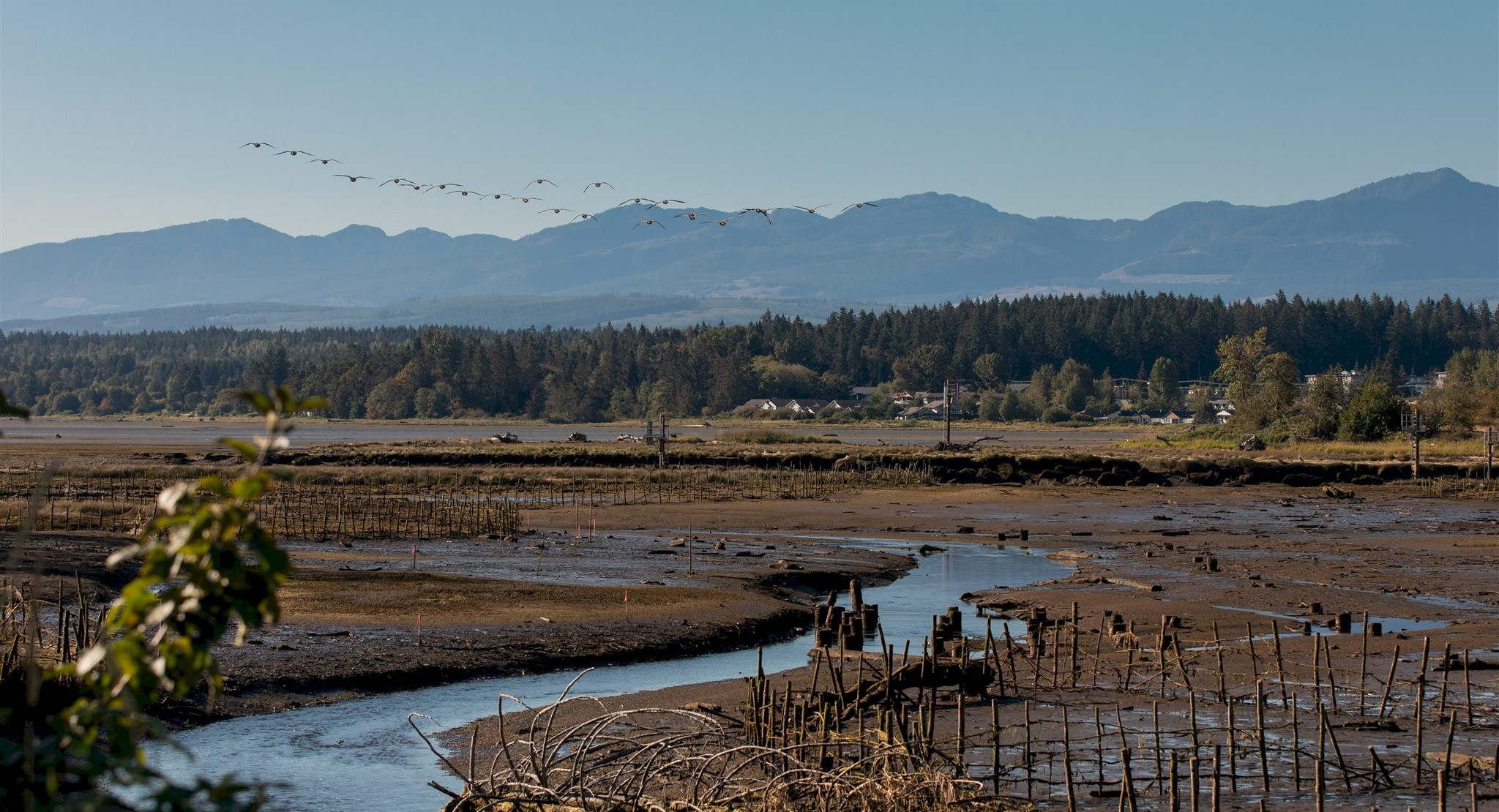
Between the Inland Highway 19 and the coast, from our northern rural community of Black Creek to our southern rural community of Fanny Bay, and including Denman Island and Hornby Island, is a recognized Canadian Important Bird Area. The K’omoks Estuary is prime birding habitat as it includes saltwater and beaches perfect for migratory shorebirds, riparian zones by the Courtenay River, tidal marsh, and other ecosystems filled with biodiversity, sanctuary, and food.
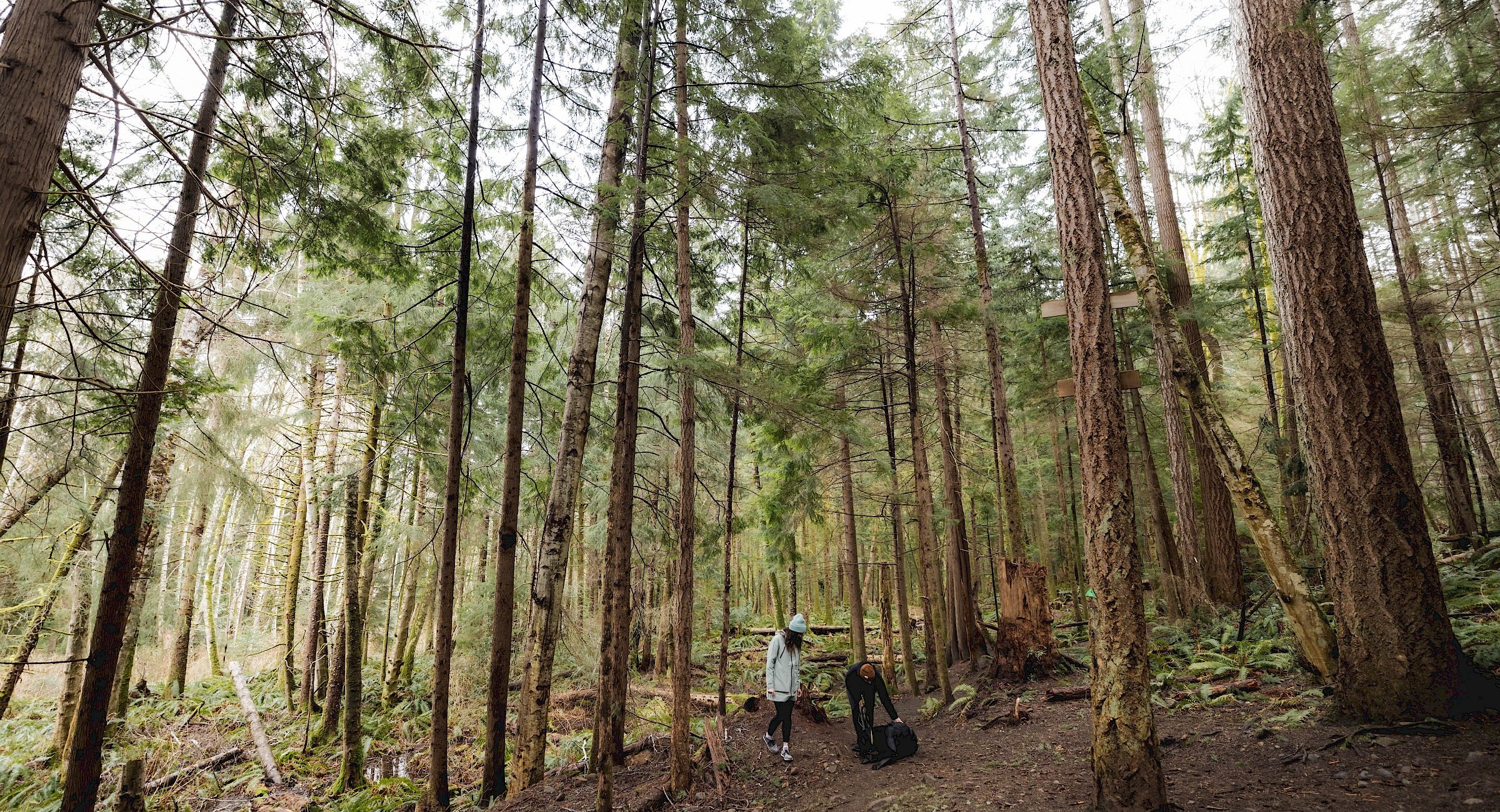
In Comox, Lazo Marsh Conservation Area and Goose Spit are popular birdwatching locations. In a small area, you might see elusive marsh birds, raptors like owls and eagles,shorebirds, diving birds, and forest birds. Kye Bay, Seal Bay Nature Park, and Point Holmes are known for shorebirds, seabirds, and raptors. Little River Nature Park is a tranquil ecological sanctuary blending wildlife ponds, river tributaries, and the beach.
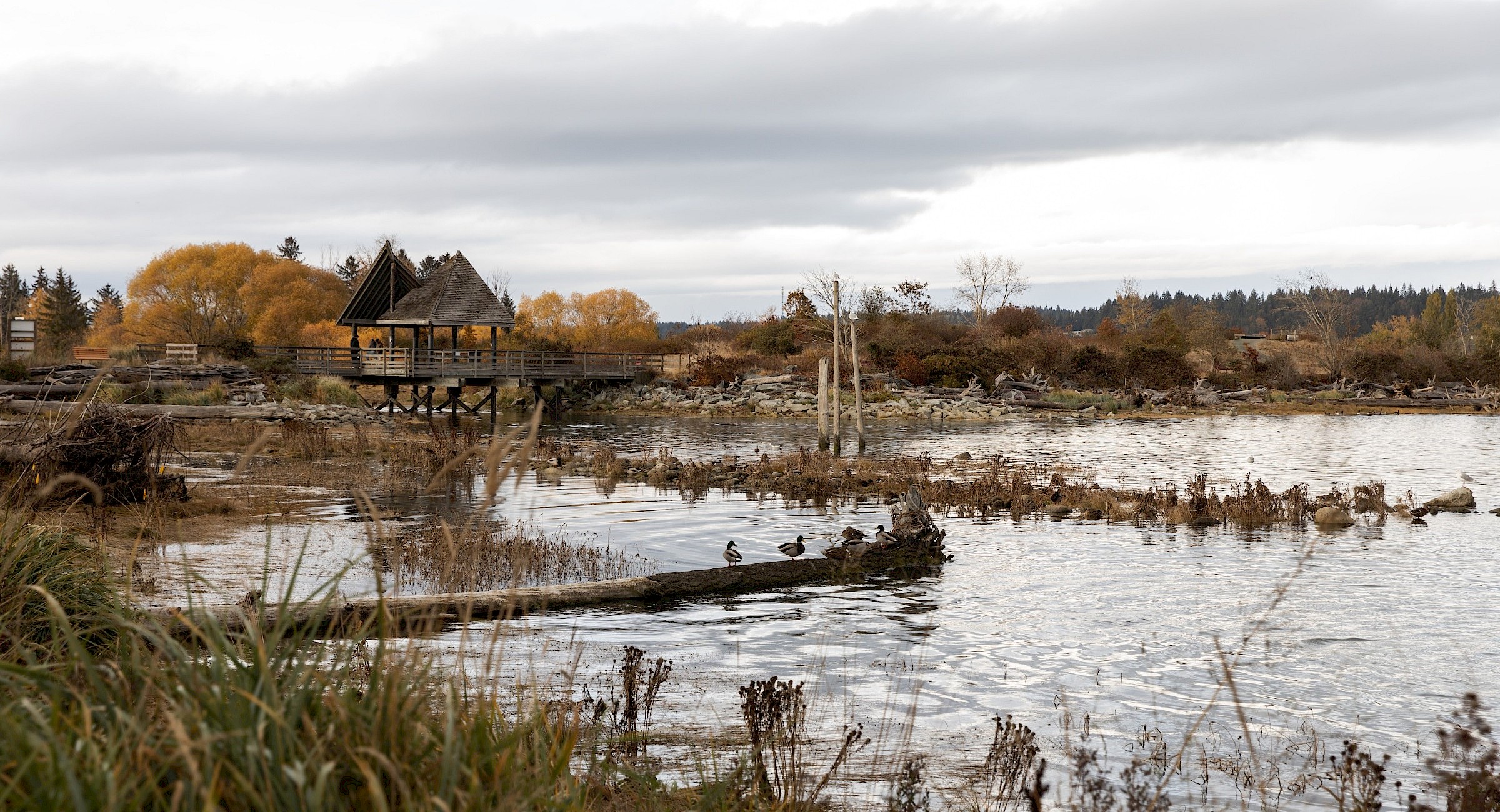
In Courtenay, the nearest birdwatching location to 5th Street is the Courtenay Airpark to see waterfowl like ducks and geese along its paved, accessible waterfront walkway. If you’re looking to blend birding with time hiking or biking near the Village of Cumberland, the Cumberland Community Forest and Cumberland Wetlands are where you can listen out for migratory songbirds and watch for waders and waterfowl. Hornby Island draws a crowd for the herring spawn each year, with their Conservancy Hornby Island Herring Festival. Year-round its quiet, coastal nooks, beaches, and the blufftop trails in Helliwell Provincial Park are tranquil locations to view birds and other wildlife.

MARS Wildlife Rescue Centre
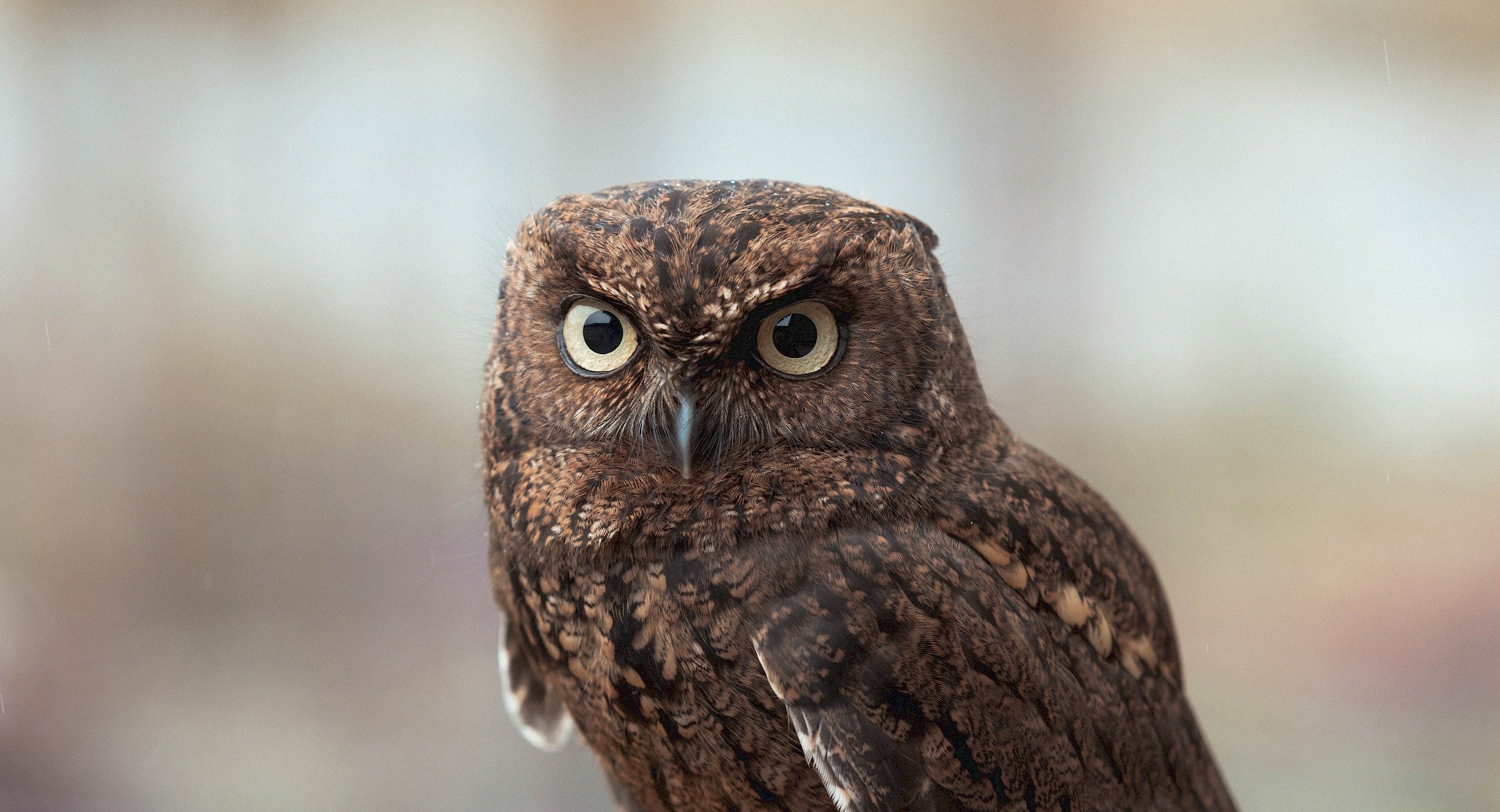
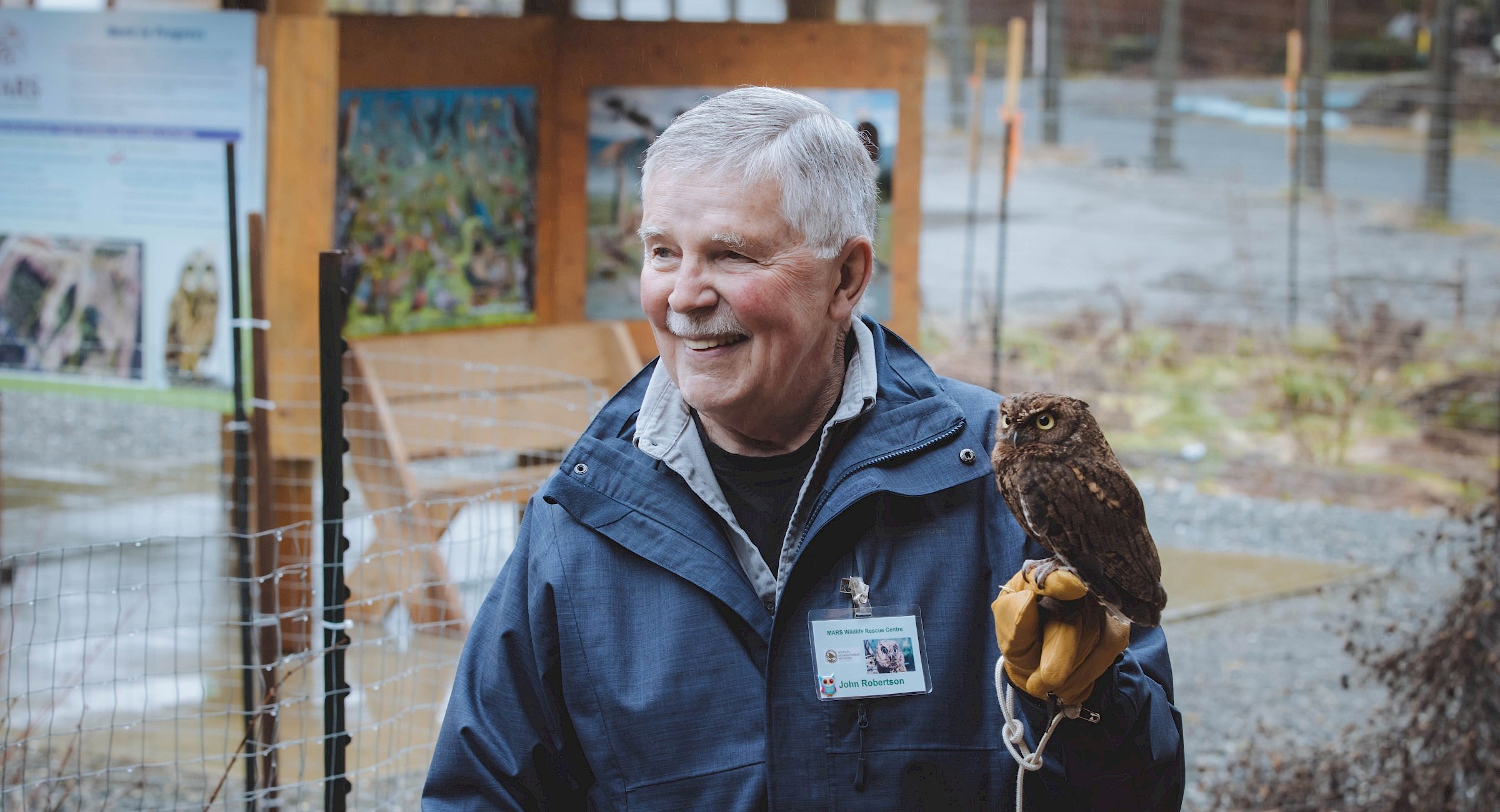
Beyond experiencing birds in their natural habitat, the incredible MARS Wildlife Rescue Centre in Black Creek is a place for wildlife education and rehabilitation for injured birds. From Friday to Saturday, tour family-friendly exhibits about native birds and wildlife or book into a comprehensive guided tour to marvel at their resident Ambassador Birds, which includes eagles, albino crows, hawks, and owls. You can call MARS if you have concerns for injured or sick wildlife while visiting the Comox Valley, too.